Reading time: 8 min | Last updated: 12 november 2026
Maybe you’ve noticed it before: your shoes wear down more quickly on the outside of the soles. Or you tend to put more weight on the outer edges of your feet when walking. You might be experiencing supination. It’s a common walking pattern that can sometimes lead to discomfort in your feet, ankles and even your knees. But what exactly is supination, and what can you do about it?
Supination is a natural movement of the foot that happens when you walk or run. It involves your foot rolling outwards, shifting more weight towards the outer edge.
A certain amount of supination is completely normal. Your feet naturally move between pronation (rolling inwards) and supination throughout each step. These movements help you absorb impact, maintain balance and push off the ground.
Supination is when your foot rolls outwards excessively or doesn’t roll inwards enough to absorb impact. It’s also called underpronation. When this happens, more pressure may be placed on the outside of your foot. Over time, this can contribute to discomfort, particularly during longer walks or periods of standing.
How can you recognise excessive supination?
Not everyone with excessive supination experiences pain or discomfort. Some people only notice it when they look at the soles of their shoes.
There are several signs that may indicate your feet are rolling outwards more than usual:
Uneven shoe wear: The outer edges of your shoe soles may wear down faster than the inner edges.
Pain along the outside of your feet: Extra pressure on the outer edge can sometimes cause discomfort.
Frequent ankle sprains: Excessive supination may contribute to ankle instability, increasing the risk of rolling your ankle.
Foot or ankle stiffness: Your feet may feel less flexible, particularly after walking or exercising.
Discomfort when walking: You might notice pain or fatigue in your feet, especially after longer periods of activity.
However, these signs don’t necessarily mean you have excessive supination. Shoe wear alone isn’t enough to determine your walking pattern. A podiatrist can assess how your feet move and whether any adjustments are necessary.
What causes supination of the foot?
Everyone has their own walking pattern. It’s barely noticeable, but there are definitely some differences! The shape of your feet, your natural movement patterns and even your footwear can influence how your weight is distributed with each step.
Several factors may contribute to excessive supination.
1 | High arches
People with high arches are sometimes more likely to underpronate. A higher arch can make the foot less flexible, reducing its ability to roll inwards and absorb impact naturally.
2 | Foot structure and genetics
Unfortunately, not something you have any influence over: your foot structure and genetics. The way your feet are shaped can influence how you walk. Some people naturally have a foot structure that encourages greater outward rolling.
This doesn’t automatically mean there’s a problem. However, if your walking pattern causes pain or instability, it’s worth having your feet assessed.
3 | Muscle weakness or imbalance
The muscles surrounding your feet and ankles play an important role in controlling movement. Weakness, tightness or an imbalance in these muscles can affect your walking pattern and contribute to uneven pressure distribution.
4 | Previous injuries
An old ankle injury can sometimes change the way you walk, particularly if it has affected your stability or range of movement. You may unconsciously adjust how you place your foot on the ground, which can influence your natural gait.
Supination and pronation are both normal parts of walking, but they describe opposite movements.
Supination occurs when your foot rolls outwards, helping create a more stable position as you push off for your next step.
Pronation occurs when your foot rolls inwards, helping it adapt to the ground and absorb impact.
The difference becomes important when either movement is excessive or contributes to discomfort.
Excessive supination and overpronation: the differences
Excessive supination
Overpronation
Foot movement
Too much weight remains on the outside
Foot rolls inwards excessively
Common association
High arches, reduced flexibility
Lower arches, greater inward movement
Potential discomfort
Outer foot and ankle
Inner foot and ankle
Footwear needs
Cushioning and appropriate stability
Support suited to the individual's gait
What can you do about excessive supination?
If supination is causing discomfort, there are several ways to improve your walking comfort and support your feet.
1 | Strengthen your feet and ankles
Strong muscles help support your feet and control movement. Gentle exercises can improve stability and may help reduce the risk of ankle injuries.
Try exercises such as standing on one leg, controlled heel raises or using a resistance band to strengthen the muscles around your ankles. Start slowly and avoid movements that cause pain.
2 | Improve your flexibility
Tight calf muscles and reduced ankle mobility can affect the way your feet move. Gentle calf stretches and ankle mobility exercises may help you maintain a more comfortable range of movement. And some advice: consistency is more important than intensity!
3 | Choose footwear with good cushioning
When your feet don’t absorb impact as effectively, cushioning can help make walking more comfortable.
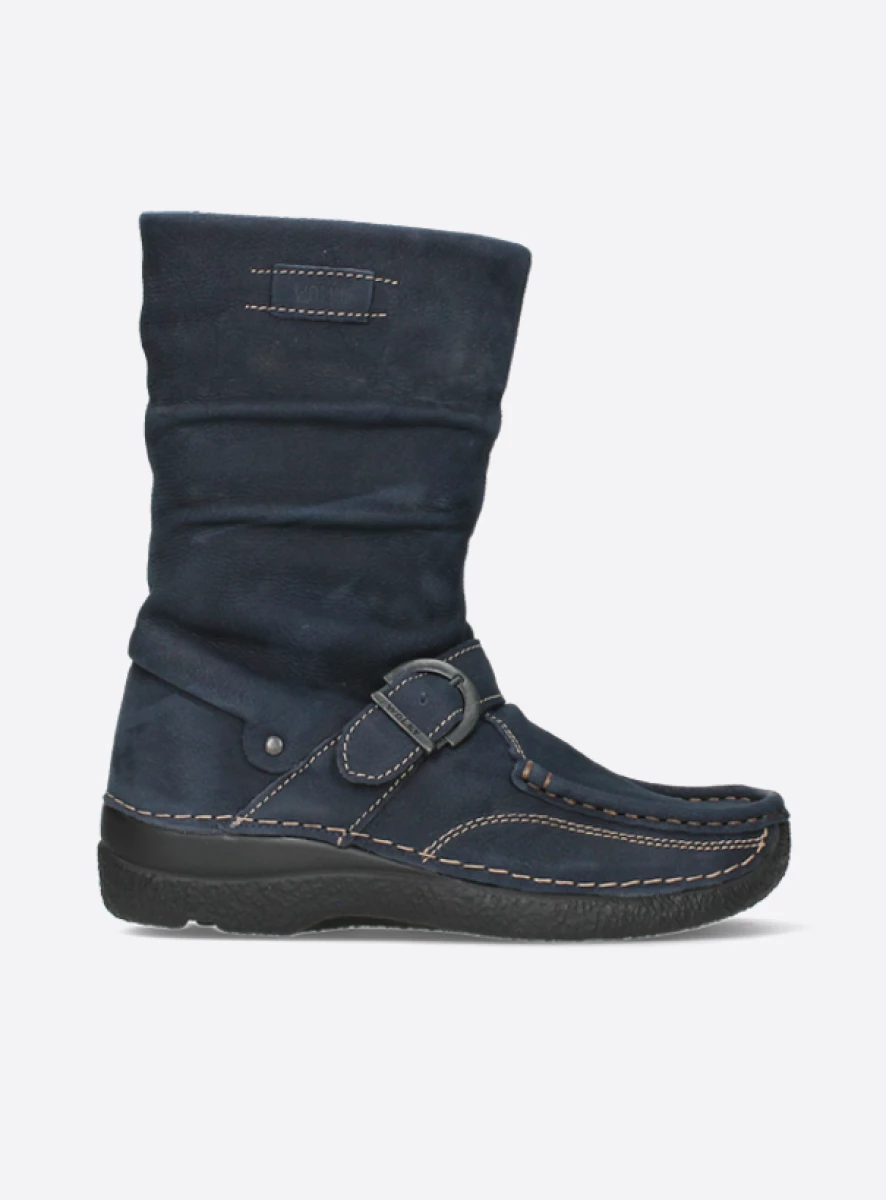
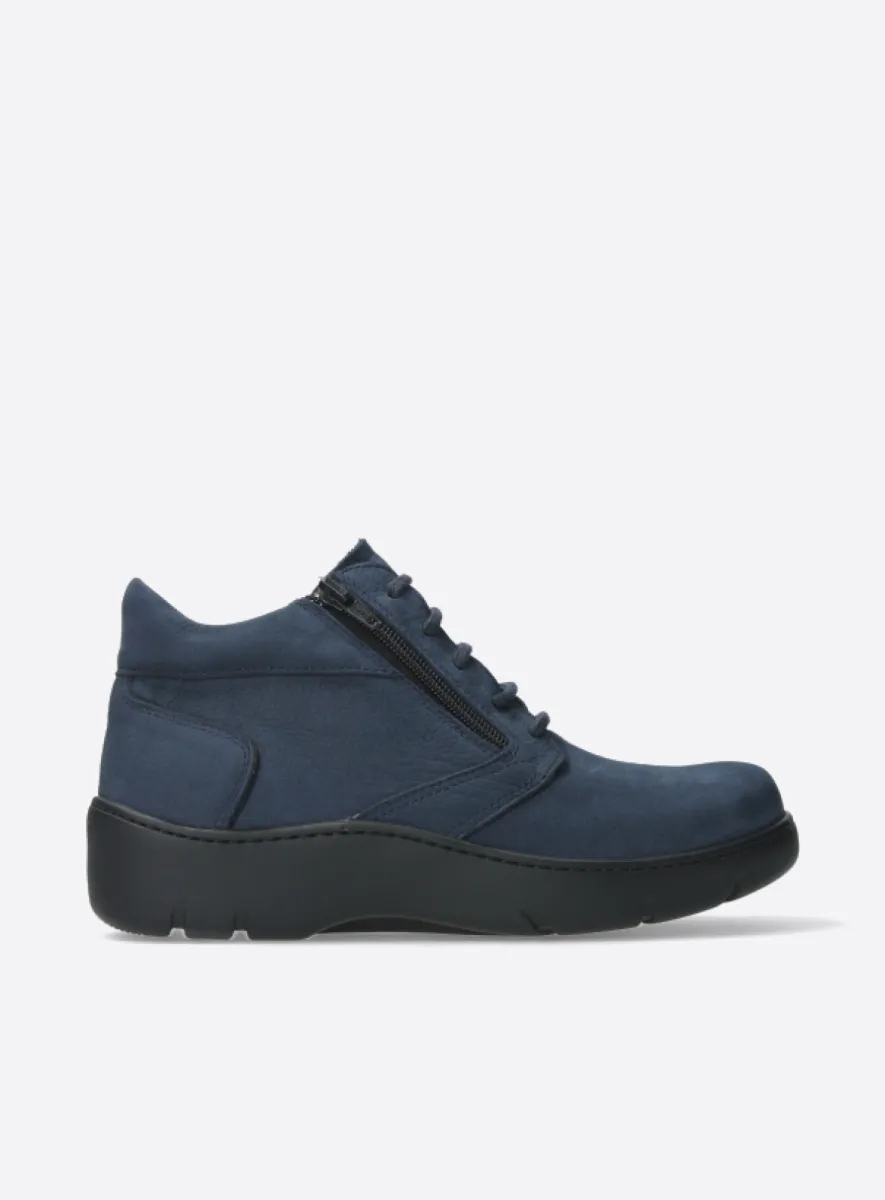
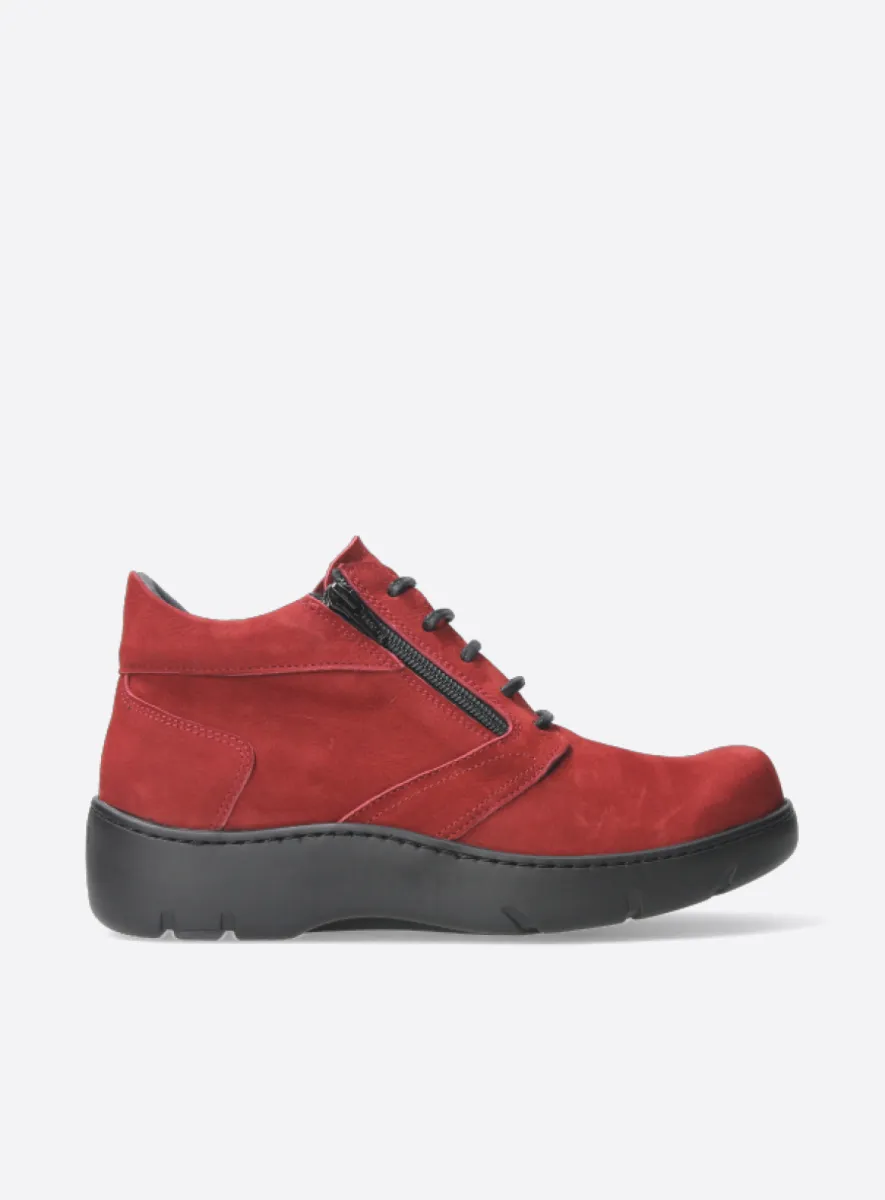
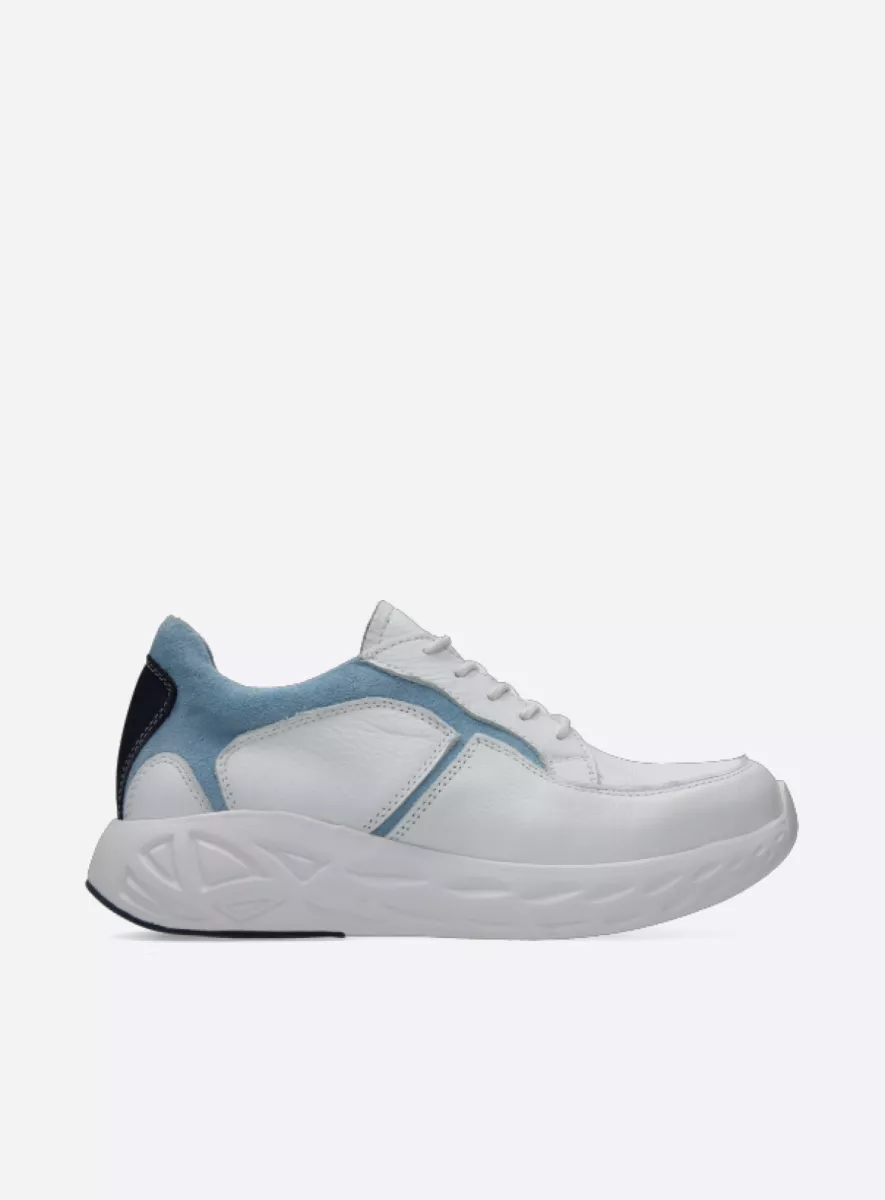
Look for shoes with shock-absorbing soles, a stable heel and enough room for your toes to move naturally.
4 | Seek professional advice
If you regularly experience foot pain, ankle instability or repeated sprains, a podiatrist can assess your walking pattern. Depending on your foot structure and symptoms, they may recommend specific exercises, footwear adjustments or orthotic insoles.
If you tend to walk on the outer edges of your feet, finding the right shoes can make everyday movement more comfortable. Rather than looking for shoes that promise to correct your walking pattern, focus on features that suit your feet.
Look for shoes with these features:
Good cushioning can help soften the impact of walking.
A stable sole and secure heel fit can help you feel more balanced.
A removable footbed can be useful if you wear your own orthotic insoles.
At Wolky, we believe that comfortable footwear should give you the freedom to enjoy every step. Whether you’re heading out for a countryside walk, exploring a new city or spending the day on your feet, the right pair of shoes for supination can help you keep moving with confidence.
Whether excessive supination can be changed depends on its underlying cause. If your walking pattern is influenced by muscle weakness, reduced flexibility or a previous injury, targeted exercises and physiotherapy may help improve how your feet function.
The aim isn’t to make every foot move in exactly the same way. It’s to reduce discomfort, improve stability and help you walk with confidence.
Keep moving comfortably, your way
Your feet are different from any other ones. Some naturally roll a little further inwards, while others place more weight on the outside. And that’s perfectly normal.
What matters is how your feet feel as you move through your day. By understanding your walking pattern, keeping your feet strong and choosing shoes that provide the right comfort and support, you can give your feet the attention they deserve. We believe walking should be about where you’re going, not what your feet are doing.
Stay in the know
Early access to exclusive collections
Our best offers, 2-3 times a month
Need personal advice? Don't hesitate to contact our customer service team!
Unfortunately, Microsoft no longer provides technical support for the old version of Internet Explorer, therefore you may experience problems loading this website.
Alternatively, you can choose the successor to this browser Microsoft Edge . Switch to another browser as Firefox or Chrome is of course also possible.