Reading time: 4 min | Last updated: 9 October 2026
Plantar fasciitis can make something as simple as walking to the kitchen feel like a challenge. If you’re dealing with heel pain, there is probably one question at the top of your list: how long does plantar fasciitis last? Unfortunately, the answer varies. For some people, symptoms improve within a few weeks or months. For others, plantar fasciitis can take several months to settle.
Unfortunately, there is no exact plantar fasciitis recovery time that applies to everyone. Many cases gradually improve over several months with appropriate self-care and changes to activity. Some people recover sooner, while persistent cases can take considerably longer.
That may not be what you want to hear, especially when you would rather just get on with your day. But the plantar fascia is involved in almost every step you take. Giving it the opportunity to recover while still managing your daily activities can take time.
If your pain is severe, keeps returning or is not improving, speak to your GP, podiatrist, physiotherapist or another healthcare professional. Heel pain can have different causes, so getting the right diagnosis matters.
Why is my plantar fasciitis not going away?
There can be several reasons why plantar fasciitis lasts a long time. Continuing to place a lot of strain on the foot without giving it a chance to recover may contribute to persistent symptoms. A sudden increase in activity can also play a part. Perhaps you’ve started walking much further than usual, taken up a new sport or begun a job that involves standing for most of the day.
Your footwear is another factor worth considering. Shoes are not necessarily the cause of plantar fasciitis, but they do affect how your feet are supported and how forces are distributed when you walk.
How to speed up the recovery time of plantar fasciitis
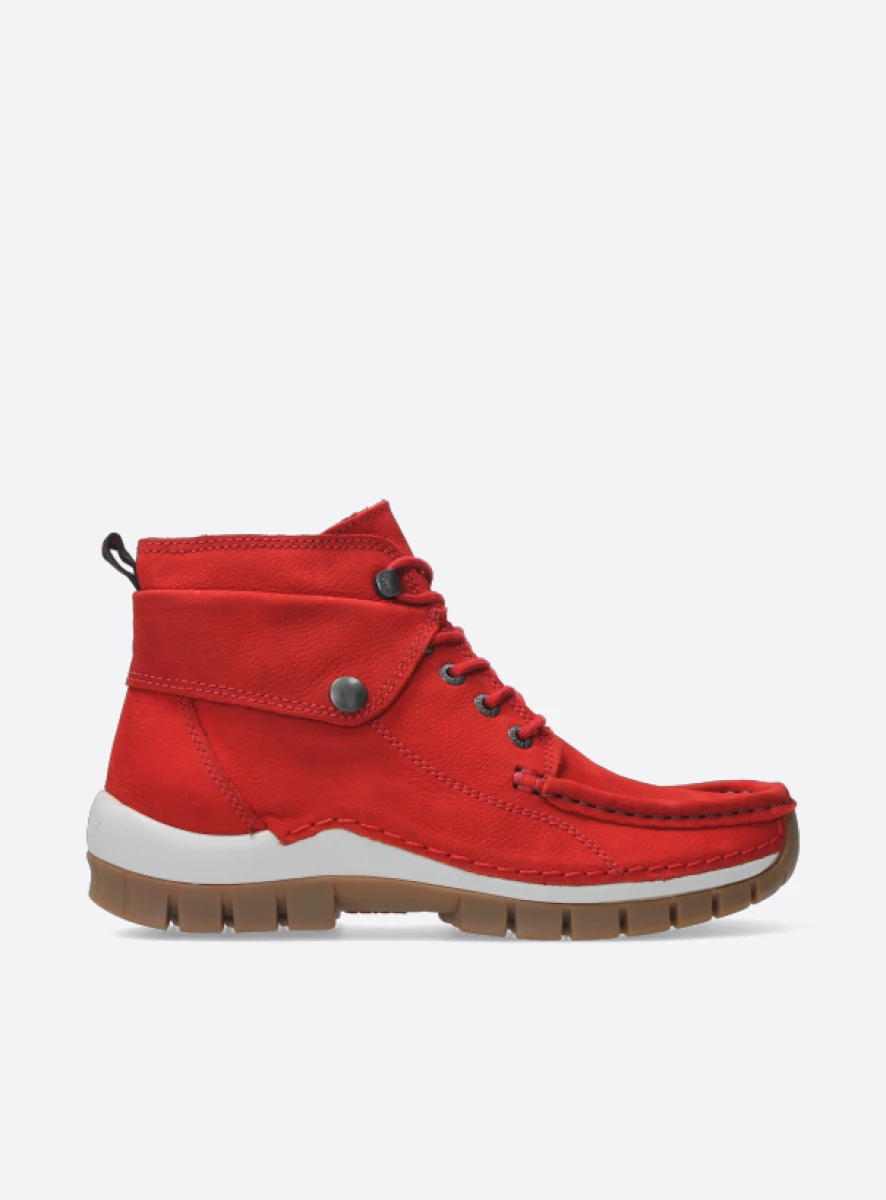
There are several features you can look for when choosing shoes for plantar fasciitis. Good cushioning can make each step feel softer by helping absorb some of the impact of walking. A stable sole can provide a secure base, while a properly fitting shoe helps keep your foot comfortably in place. Make sure there is enough room for your toes and forefoot, too. A shoe should feel comfortable from the start rather than being something you have to endure until you have ‘broken it in’.
Can orthotic insoles help with plantar fasciitis?
Some people with plantar fasciitis are advised to use orthotic insoles. If you wear your own insoles, look for shoes with a removable footbed. Many Wolky shoes have removable footbeds, giving you the option, where suitable, to replace the original insole with your own.
Check that your foot still has enough space inside the shoe once the orthotic has been added. The right insole in a shoe that no longer fits properly is not a winning combination.
Can plantar fasciitis come back?
Unfortunately, plantar fasciitis can return. Even after your symptoms have settled, suddenly increasing your activity or repeatedly overloading your feet may cause heel pain to flare up again.
That makes it worth paying attention to your feet even when they are feeling good. Build up new activities gradually, wear footwear that suits what you are doing and replace shoes once they are noticeably worn.
Give your feet the time they need
So, how long does plantar fasciitis last? There is no fixed deadline. Symptoms may improve within weeks or months, but recovery can also take considerably longer. Pay attention to how your feet respond and seek professional advice if the pain is persistent, severe of getting worse.
Stay in the know
Early access to exclusive collections
Our best offers, 2-3 times a month
Need personal advice? Don't hesitate to contact our customer service team!
Unfortunately, Microsoft no longer provides technical support for the old version of Internet Explorer, therefore you may experience problems loading this website.
Alternatively, you can choose the successor to this browser Microsoft Edge . Switch to another browser as Firefox or Chrome is of course also possible.