Does every step hurt under the ball of your foot? One condition that often catches people by surprise is Morton’s neuroma. It feels like a sharp pain in your forefoot or a tingling sensation in your toes. In this blog, we explain exactly what it is, how to recognize it and, more importantly, what you can do about it. After all, pain-free walking is something you deserve every day.
So, what is morton’s neuroma exactly? Morton’s neuroma is a thickening of the tissue surrounding a nerve in the forefoot. This thickening causes irritation and leads to pain, numbness and tingling.
The condition commonly develops due to:
Tight or narrow shoes
High heels
Repetitive stress on the feet
Certain foot shapes
Bunions or flat feet
Morton’s neuroma is a painful condition affecting the nerve between the toes, most commonly between the third and fourth toes. The tissue surrounding the nerve becomes thickened, which can lead to burning, tingling and discomfort when walking.
10 signs you may have Morton’s neuroma
Wondering whether you may have Morton’s neuroma? Here are ten common symptoms:
Burning pain in the ball of the foot.
A sudden sharp stinging pain in a toe.
Tingling between the toes.
Numbness in one or more toes.
Pain that worsens when walking.
The sensation of standing on a folded sock or pebble.
Relief when removing your shoes.
Pain when wearing high heels or narrow footwear.
Discomfort that radiates into the toes.
Symptoms that gradually worsen over time.
If these sound familiar, it’s worth consulting a podiatrist or healthcare professional.
Sudden sharp stinging pain in toe
A sudden sharp stinging pain in the toe can be one of the first signs of Morton’s neuroma. Many women describe it as feeling like an electric shock or as though they’ve stepped on a pebble that simply won’t go away.
The pain may come and go at first. Over time, however, it can become more frequent, especially when walking for longer periods.
Although Morton’s neuroma usually affects the third and fourth toes, some women experience a numb sensation in the big toe as well. Nerves in the foot are closely connected, so irritation in one area can cause strange sensations elsewhere.
Pain in toes when walking
Pain in the toes when walking is one of the biggest frustrations associated with Mortons neuroma. Every step places pressure on the irritated nerve, making activities you once enjoyed feel uncomfortable.
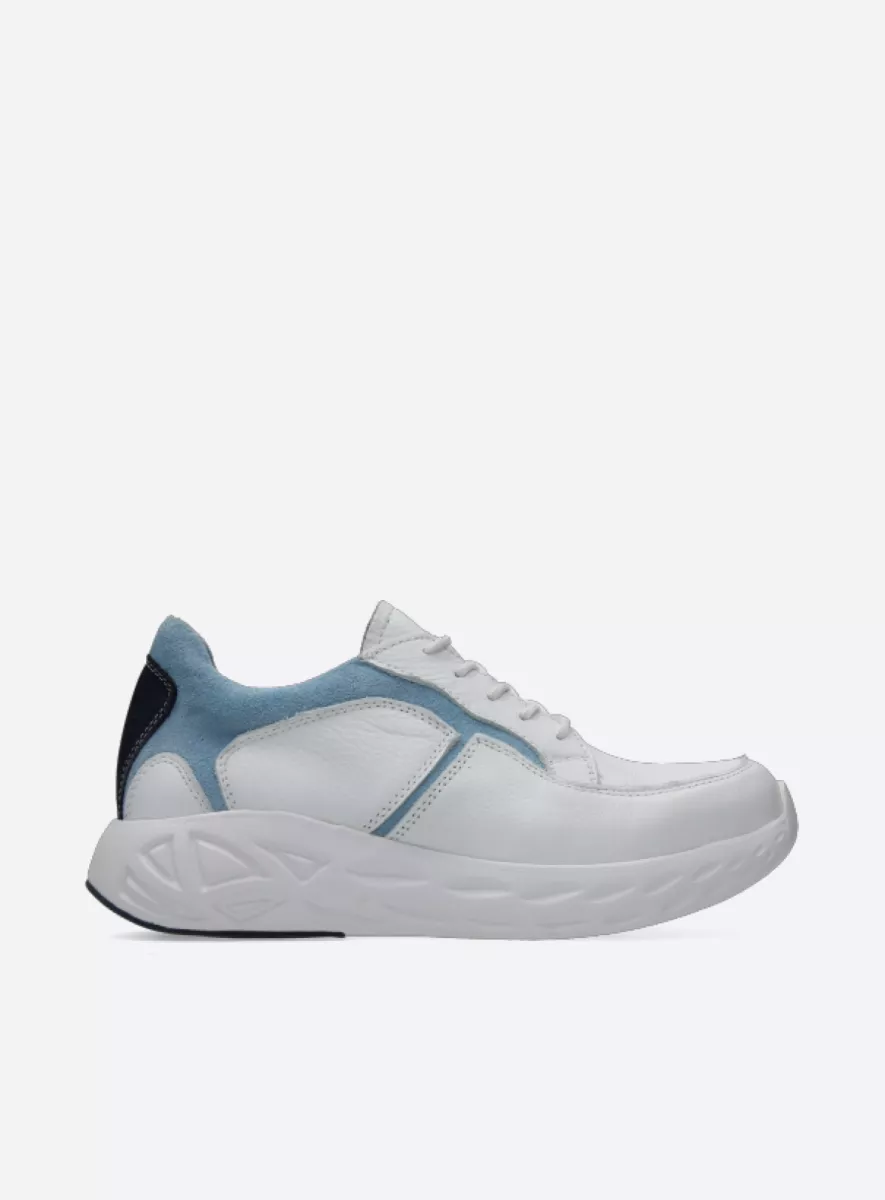
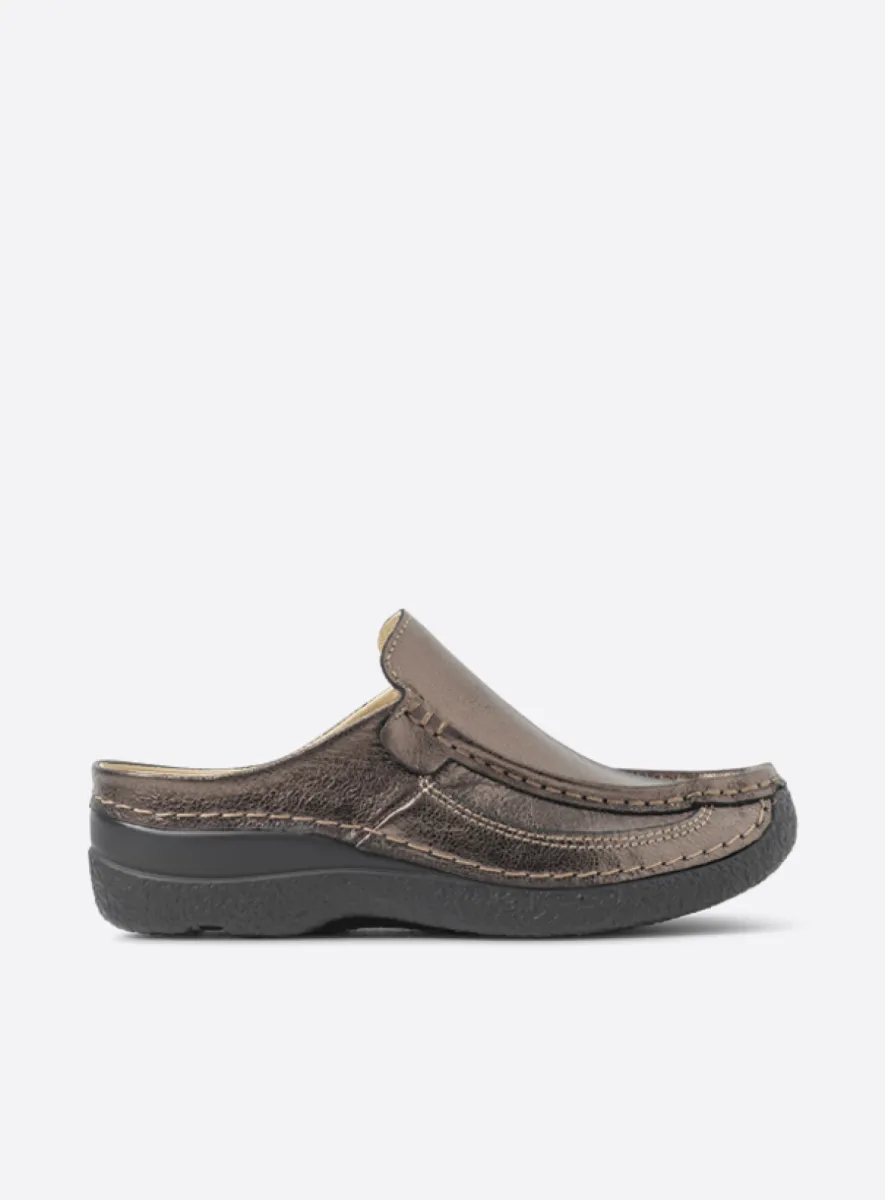
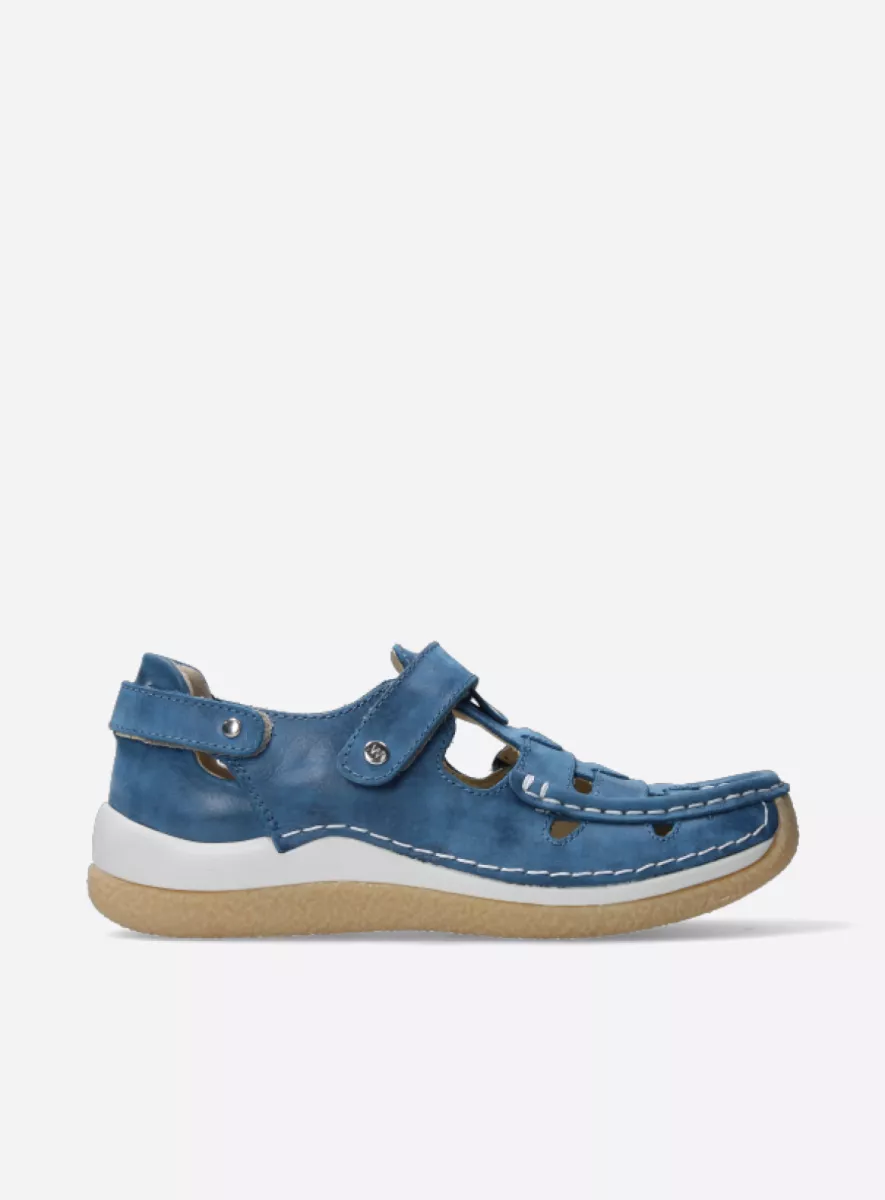
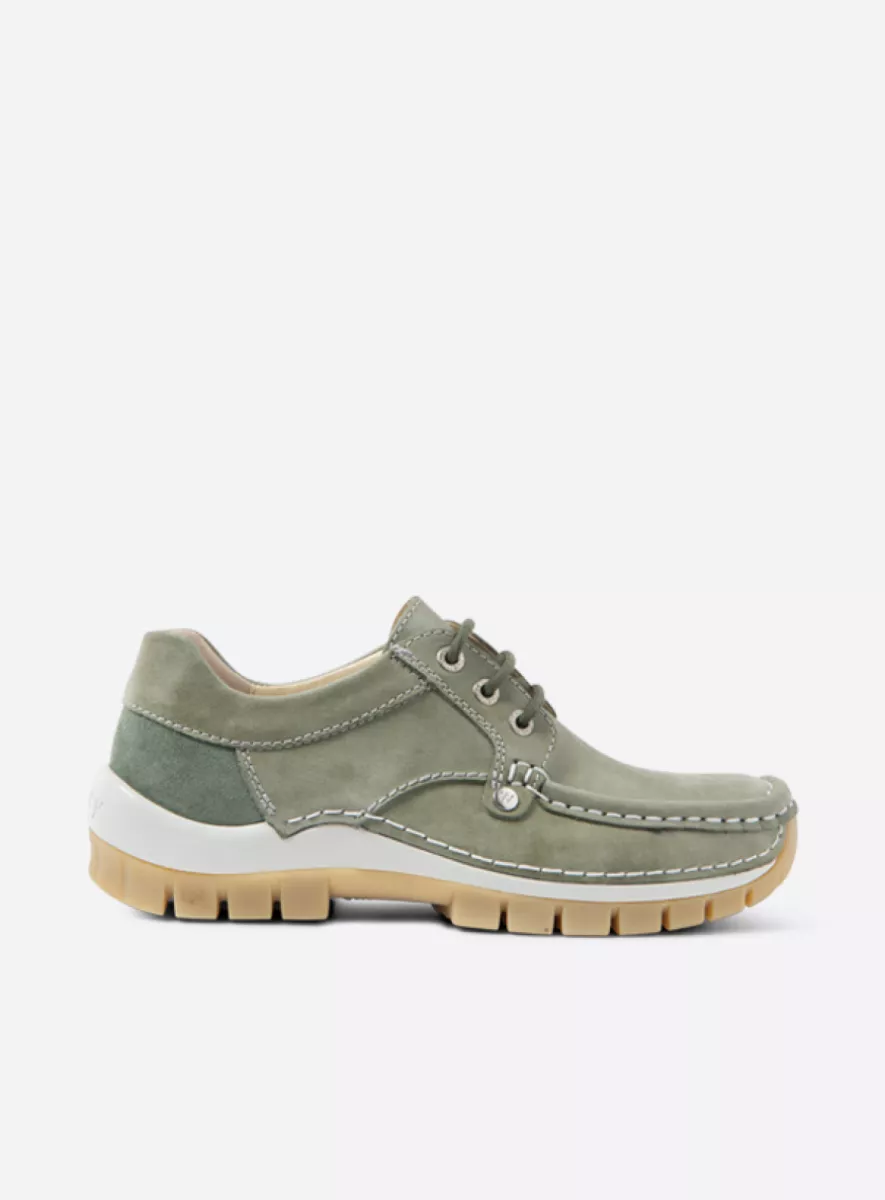
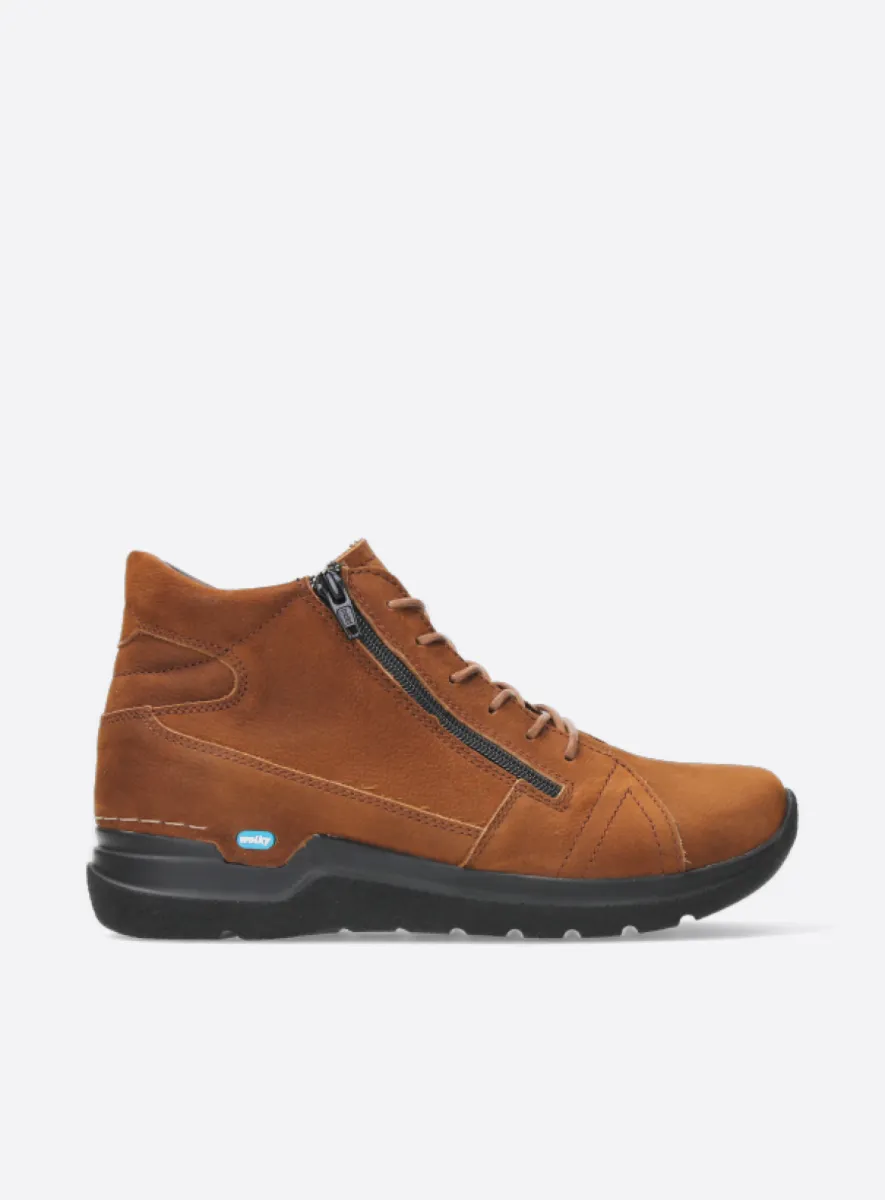
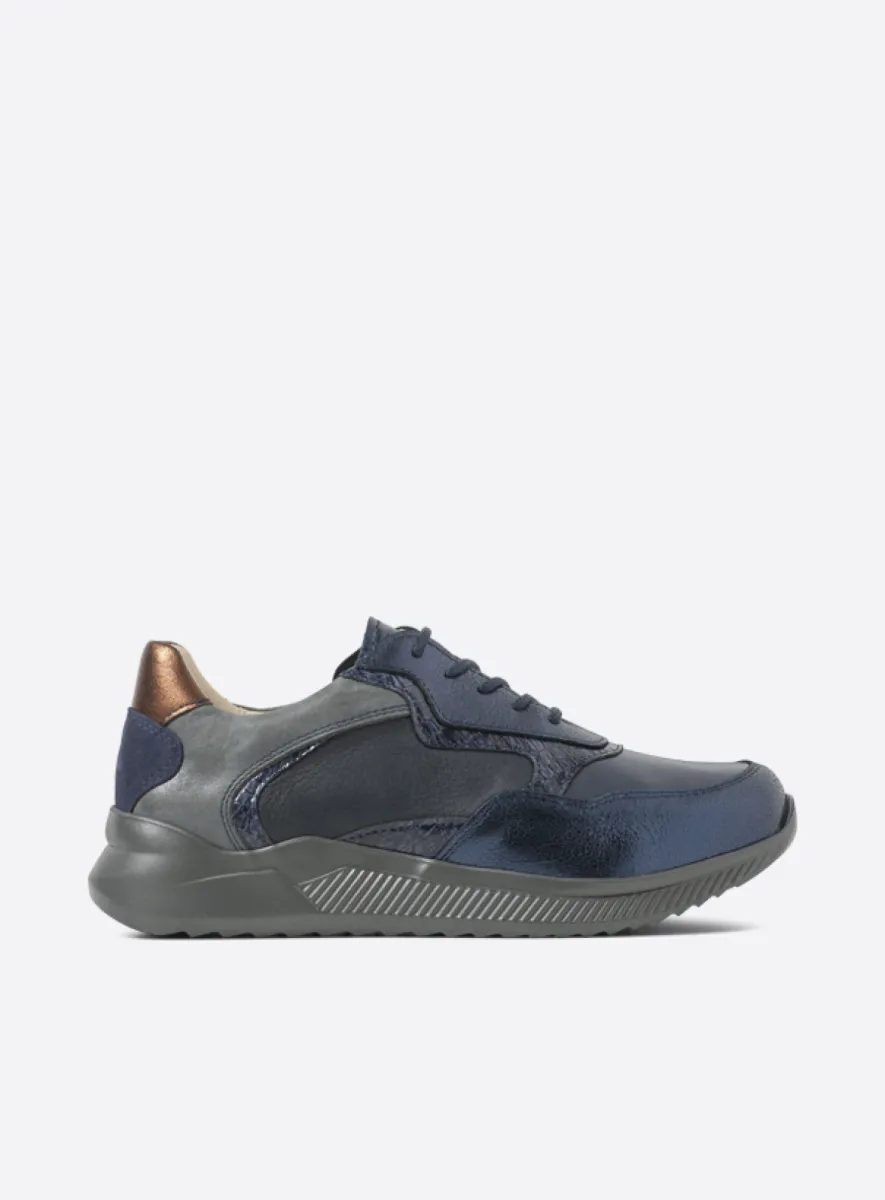
Supportive footwear can make a world of difference. Shoes with good cushioning, proper arch support and plenty of room for your toes help reduce pressure on the forefoot and encourage a more natural walking pattern.
Tingling sensation in the toes
A tingling sensation in the toes is another hallmark symptom of Morton’s neuroma. Some women describe it as pins and needles, while others notice a burning feeling that comes and goes.
The sensation often worsens after standing or walking for long periods and may improve once shoes are removed. If left untreated, tingling can become more persistent.
Morton’s neuroma treatment
Treatment for Morton’s neuroma often starts with simple measures:
Wearing wider, supportive shoes
Avoiding high heels
Using ice to reduce inflammation
Taking anti-inflammatory medication if recommended by a doctor
Trying custom orthotics
Having corticosteroid injections in severe cases
If conservative treatments don’t bring enough relief, surgery may be considered. Thankfully, many women experience significant improvement without needing an operation.
Morton’s neuroma orthotic insoles
Orthotic insoles can be very helpful for Morton’s neuroma. They redistribute pressure across the foot and reduce stress on the affected nerve.
Many women use custom orthotics prescribed by a podiatrist. Shoes with removable footbeds are especially handy, as they allow you to replace the standard insole with your own orthotics.
At Wolky, most styles feature removable anatomically shaped footbeds, making it easy to accommodate custom insoles while still enjoying excellent support and comfort.
At Wolky, comfort isn’t just about softness, it’s about support. For more than 40 years, our Dutch shoe company has been creating shoes designed in-house to help women stay active and enjoy life without being held back by foot pain. Our supportive footbeds, premium leather and removable insoles make many styles a great option for women dealing with Morton’s neuroma. After all, life’s too short to wear uncomfortable shoes!
Unfortunately, Microsoft no longer provides technical support for the old version of Internet Explorer, therefore you may experience problems loading this website.
Alternatively, you can choose the successor to this browser Microsoft Edge . Switch to another browser as Firefox or Chrome is of course also possible.