Reading time: 5 min | Last updated: 23 September 2026
A bunion often starts small. Perhaps you notice a slight bump at the side of your big toe. Your shoes may feel a bit tighter than they used to. Or your big toe seems to be moving towards the others. Over time, a bunion can become more noticeable. But how does it actually develop? Bunions are often described in four stages, from mild changes to a more pronounced bunion. Let’s discuss what happens at each stage.
A bunion develops when the big toe gradually moves towards the second toe. At the same time, the joint at the base starts to move outwards. A bump on the side of the foot starts growing. Bunions are typically categorized into four stages. From minor bumps to larger, sometimes even painful bunions. Let’s dive into the four stages of a bunion.
At the first stage, the change can be easy to miss. Your big toe may have started to angle slightly towards your other toes, and a small bump may appear at the joint. Most of the time, it’s barely even noticeable.
You might notice:
A small bump at the base of your big toe
Slight redness or irritation after wearing certain shoes
Pressure around the big toe joint
Your usual shoes starting to feel a little tighter
At this stage, choosing shoes with enough room around the forefoot and toes can help avoid unnecessary pressure and thus worsening of the bunion. Read more about the first signs of bunions.
Stage 2: A moderate bunion
As the bunion progresses, the big toe moves further towards the second toe and the bump becomes more noticeable. Long walks or days spent on your feet may start to feel less comfortable. Shoes that used to fit well might suddenly rub or press against the side of your foot.
This is where a roomy toe area, soft materials and a good fit can make a real difference to your everyday comfort. Stretch materials can also be helpful, as they give your foot extra space exactly where it needs it.
Stage 3: A more pronounced bunion
At stage three, the angle of the big toe has increased further. It may start to push against, or even push underneath or over, the second toe. The joint can become sensitive, swollen and red. Regular shoes can become very uncomfortable. You’ll constantly feel like you want to take them off, asap.
At this stage, look for shoes that don’t force your toes into a narrow shape. Extra space at the forefoot, soft or stretchable uppers and good support underfoot can all help keep you moving more comfortably.
Stage 4: A severe bunion
In the most advanced stage, the big toe has moved considerably towards the other toes and the joint at the base is much more prominent. The joint can be painful or stiff, which causes walking and wearing regular shoes to become a pain.
Comfortable footwear can help reduce pressure on sensitive areas, but it cannot correct the position of the toe. If a bunion is causing significant pain or affecting your daily activities, it’s a good idea to speak to a healthcare professional.
Unfortunately, there is no shoe that can make a bunion disappear. But the right footwear can help prevent unnecessary pressure and make walking much more comfortable.
When choosing shoes for bunions, look for:
Plenty of room around the toes and forefoot
Soft or stretchable materials around the bunion
No hard seams or edges pressing against sensitive areas
Good support underfoot
A removable footbed if you wear your own orthotics
An adjustable fastening, such as laces or straps
Most importantly, your shoes should follow your feet instead of the other way around. Don’t force your feet into shoes that aren’t right for you.
Keep going comfortably with Wolky’s shoes for bunions
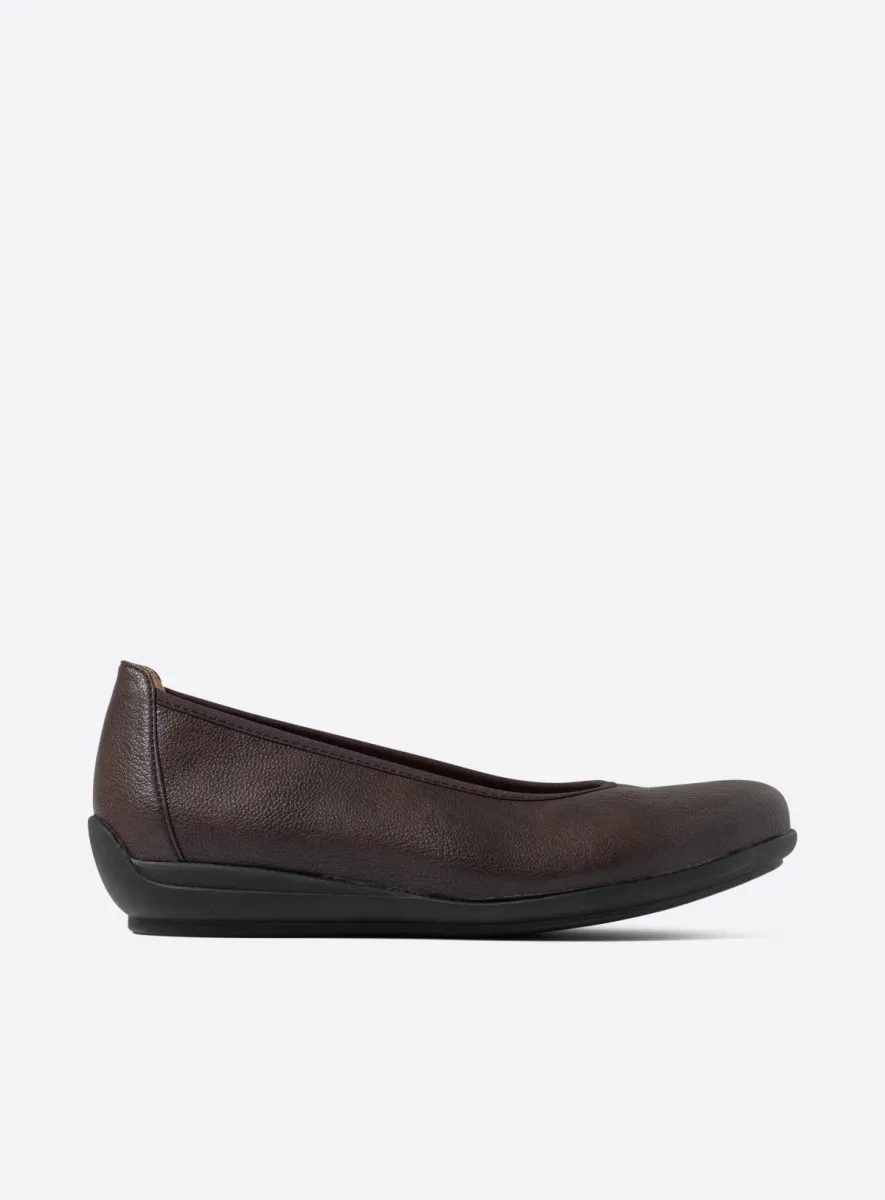
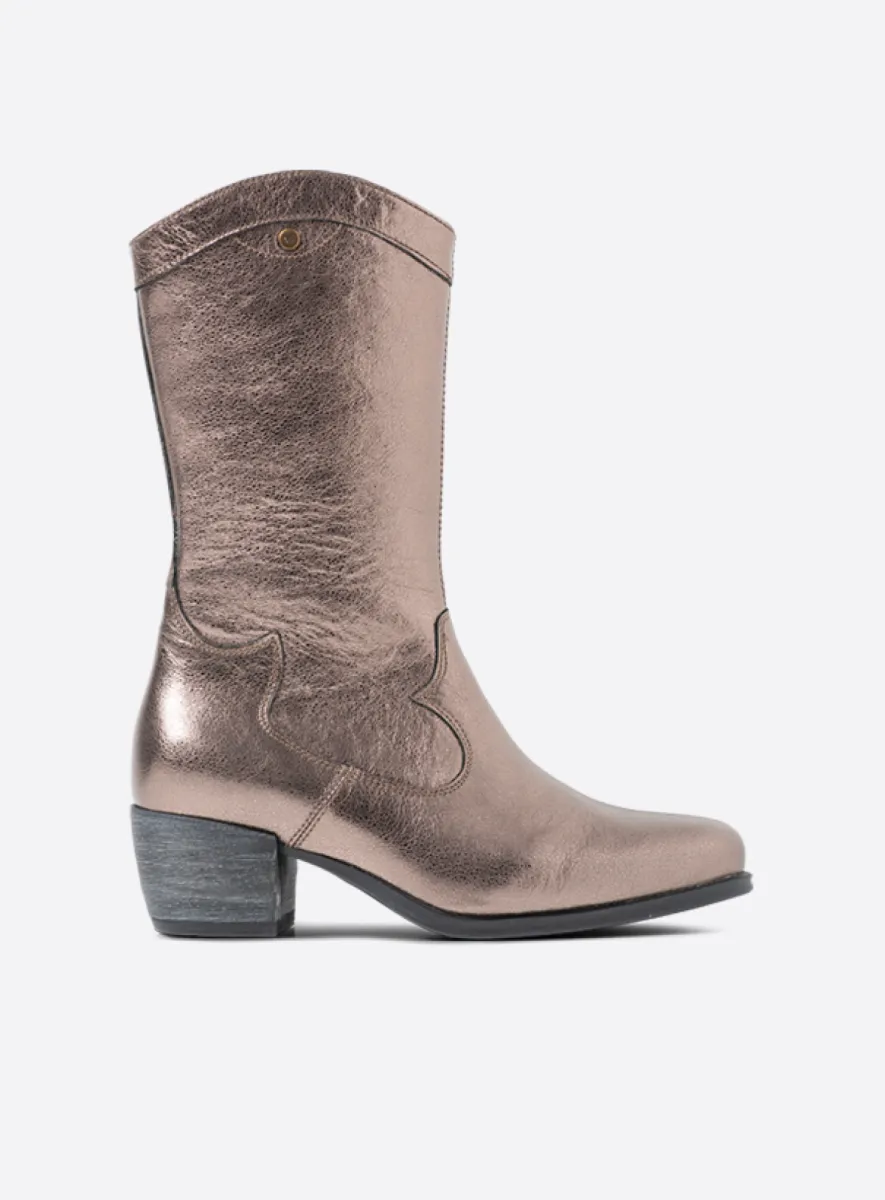
Whether your bunion is barely noticeable or has been with you for years, comfortable shoes can make a big difference to your day. At Wolky, we design shoes with comfort built in. Think supportive footbeds, carefully considered fits and soft or stretchable materials in the places where your feet need a little more freedom.
Stay in the know
Early access to exclusive collections
Our best offers, 2-3 times a month
Need personal advice? Don't hesitate to contact our customer service team!
Unfortunately, Microsoft no longer provides technical support for the old version of Internet Explorer, therefore you may experience problems loading this website.
Alternatively, you can choose the successor to this browser Microsoft Edge . Switch to another browser as Firefox or Chrome is of course also possible.