






Free deliveries and free returns @ GB
Buy now, pay later with Klarna
Secure on-line shopping
Save for discounts with every purchase
Close
Wolky

Bunion surgery

Reading time: 5 min | Last updated: 29 January 2026

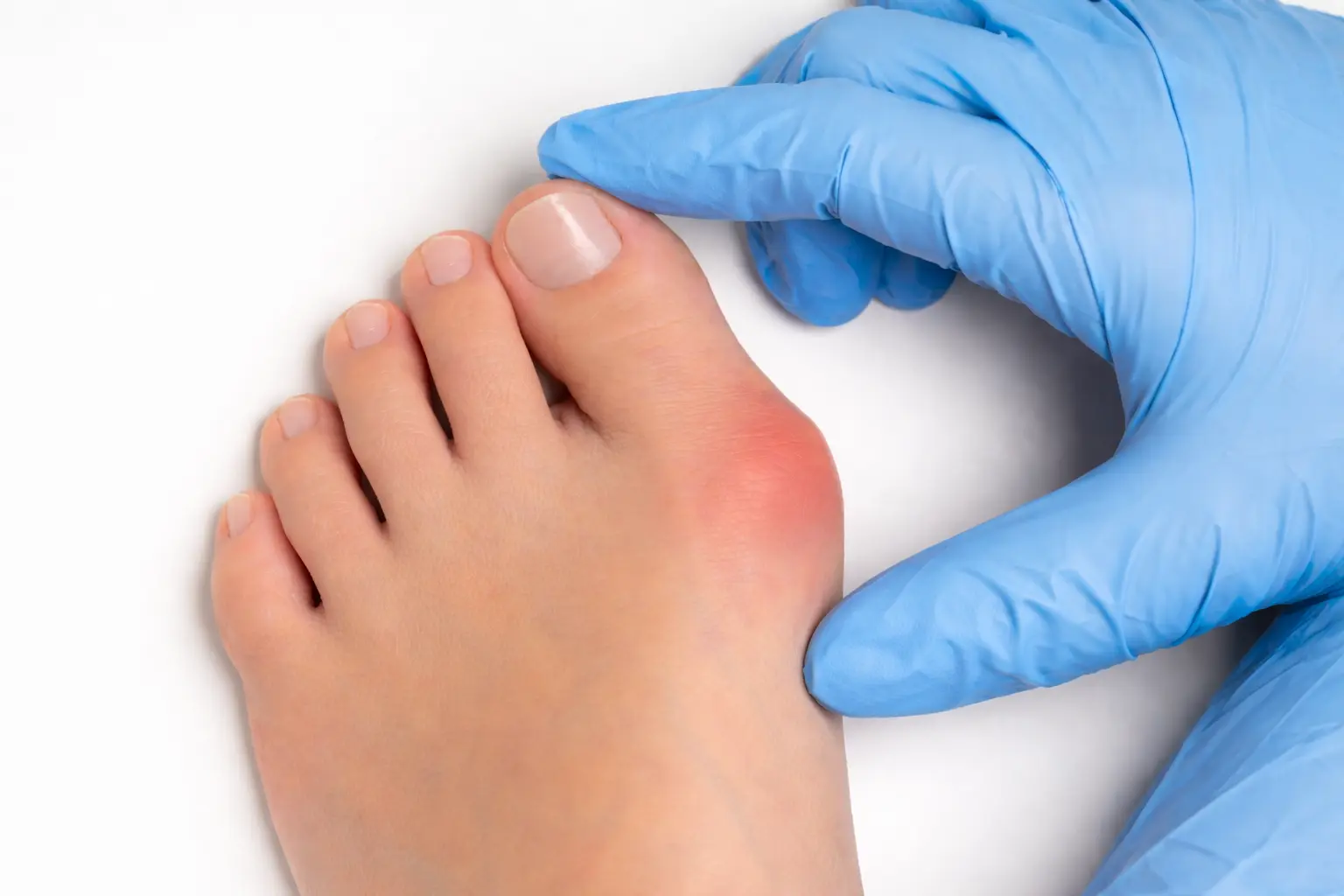
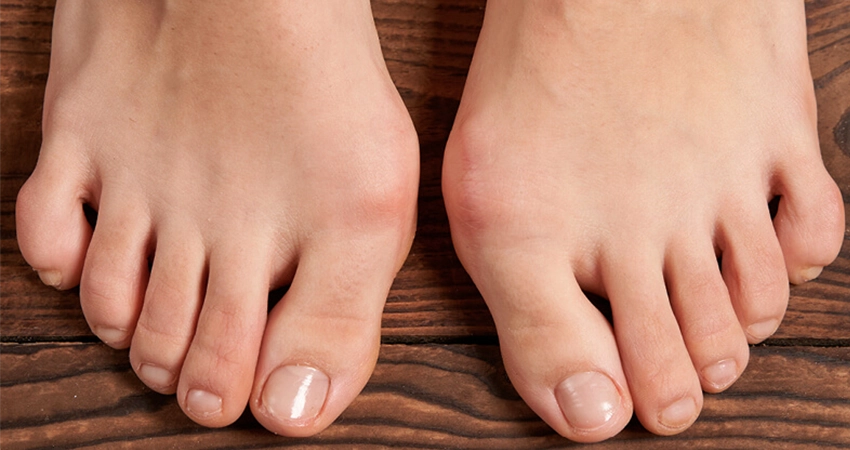
Bunions can be painful, inflamed, and make shoes a nightmare. While surgery is not usually the first option, it’s considered when pain or difficulty walking doesn’t improve with non-surgical treatments like wider footwear, insoles or pain relief. 

Bunion surgery

Bunion surgery

What does bunion surgery involve? Bunion surgery aims to relieve pain, straighten the big toe, and improve foot function. It typically lasts around 30 to 90 minutes and you’ll often go home the same day. Most people experience significant pain relief and improved function.

Types of bunion surgery

There are over 100 types of bunion surgery, but most fall into a few main categories. The exact procedure depends on the severity of the bunion and the shape of your foot.

Some common types of surgery include:

  • Osteotomy: The surgeon cuts and realigns the bone, fixing it with screws or pins.
  • Exostectomy: Removes the bony lump (usually combined with other procedures).
  • Soft tissue correction: Tightens or loosens ligaments around the joint.
  • Joint fusion (arthrodesis): Permanently fuses the joint (usually for severe cases or arthritis).

Your surgeon will choose the method that best suits your foot. After all, it’s not a one-size-fits-all job.

Bunion surgery recovery week by week

Every recovery takes patience, and bunion surgery is no exception.

A typical timeline of bunion surgery recovery week by week may look like this:

  • First 2 weeks: Foot elevated, limited walking, dressings kept dry. Pain medication or ice packs may help.
  • 2-6 weeks: Walking boot or post-op shoe, stitches removed. In some cases, gently exercises may be recommended.
  • 6-12 weeks: Gradual return to wearing normal (well-fitting) shoes.
  • 3-6 months: Swelling slowly subsides.
  • Up to 12 months: Final result and comfort level achieved.

Always follow your care team’s advice to avoid setbacks!

Good shoes for bunions

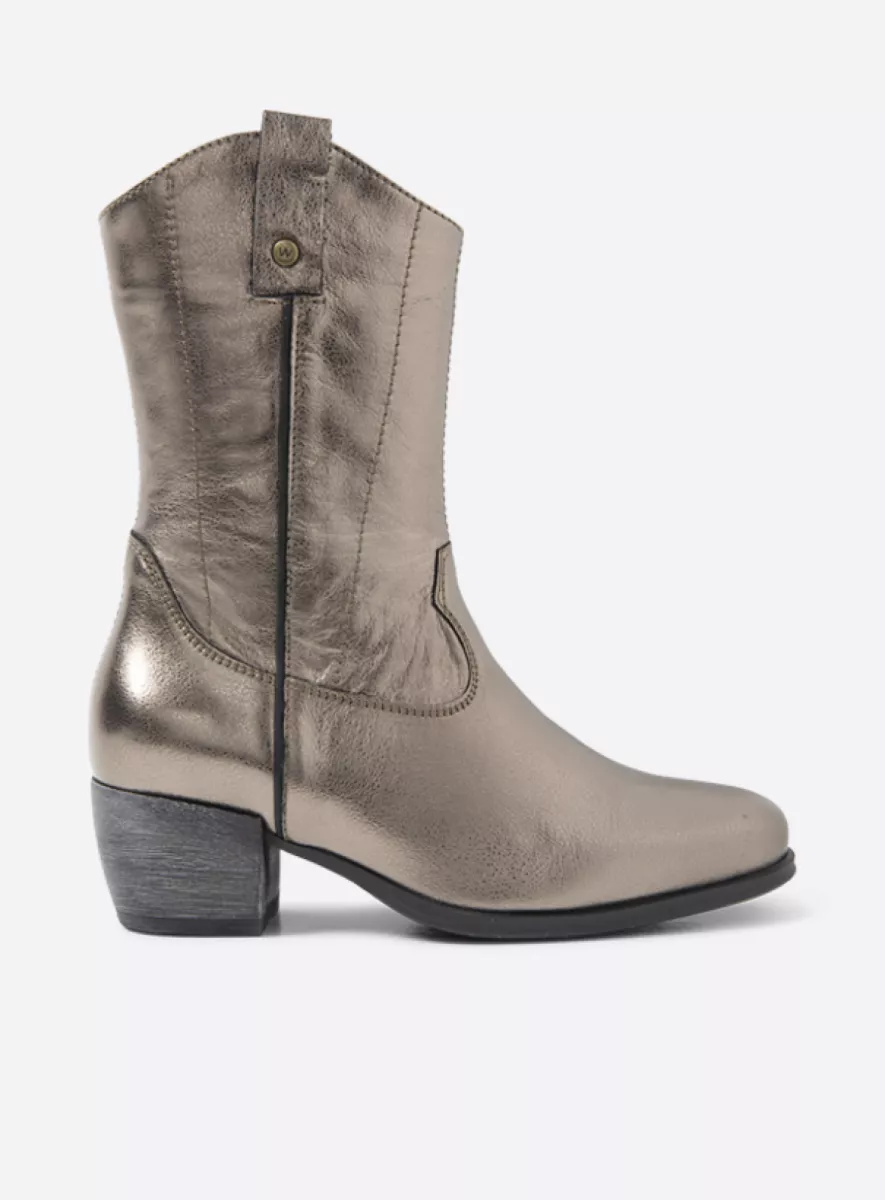
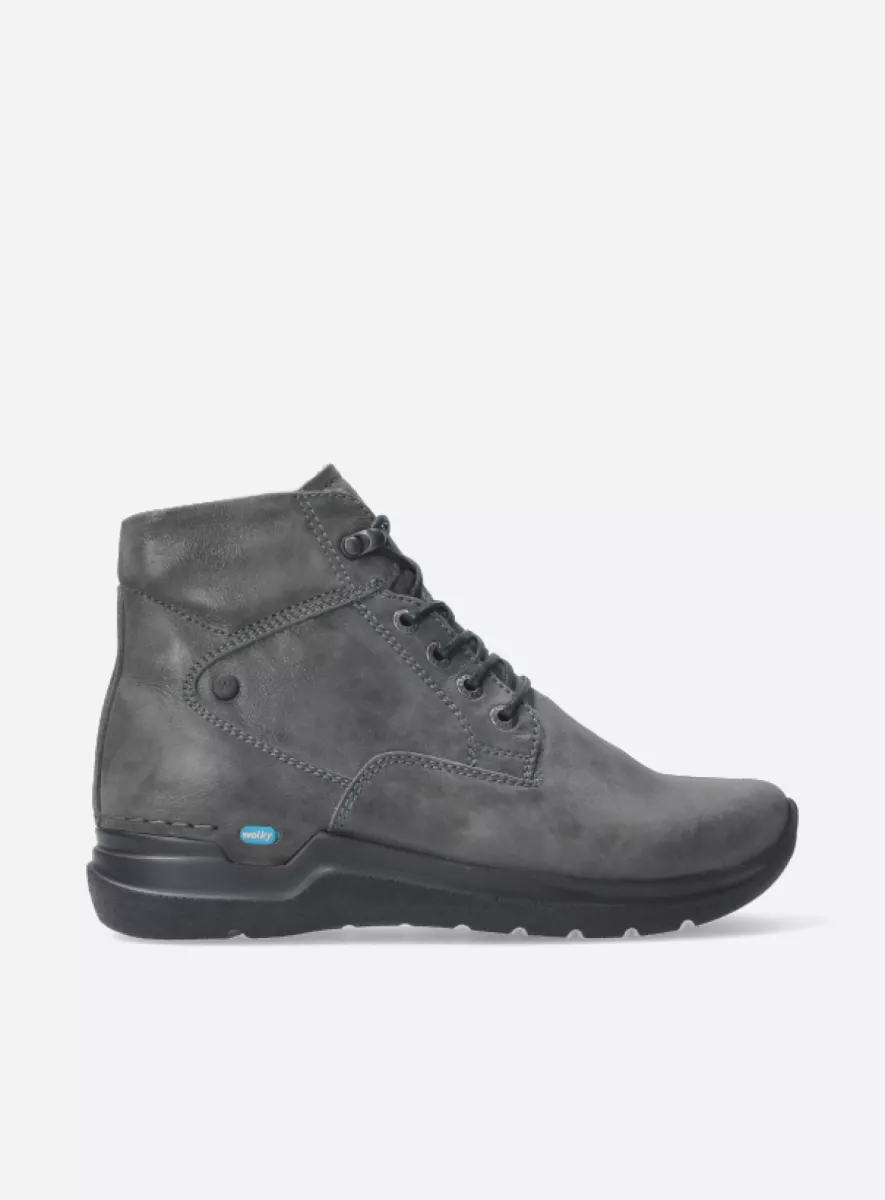
These shoes feature extra space at your forefoot. 

What to expect 3 weeks after bunion surgery

The pain usually improves by week 3. Swelling, redness and warmth are still common and perfectly normal.  

Stitches are often removed around 2-3 weeks. The incision should look closed and dry, though it may still appear pink. Some itching is common as healing continues.

Walking may still be a bit tricky 3 weeks after bunion surgery. You’ll likely still be wearing a post-op shoe or walking boot. Short walks indoors are fine, but long hikes not yet!

At 3 weeks after your bunion surgery, you’re still in the middle of healing. Patience is key!

12 weeks after bunion surgery

Pain may only occur after a long day on your feet. Swelling is still common at 12 weeks, as it can take up to a year to fully go down.  

Most people are back in normal shoes, often choosing a wider pair. Longer walks are usually possible, but you might still feel limited by uneven ground or walking speed.

Your big toe may feel stiffer than before surgery. Range of motion continues to improve gradually. Daily toe exercises can still make a big difference at this stage.

Is bunion surgery worth it?

The effectiveness of bunion surgery can vary. That’s why it depends on your personal situation whether bunion surgery is worth it.

Bunion surgery is usually recommended when pain is severe and long-lasting, and conservative treatments haven’t helped. If the pain affects walking, work, or daily life, bunion surgery may be worth it. It’s important to be realistic about recovery and recovery times; don’t expect a quick fix.

For many, bunion surgery brings significant pain relief, better ability to walk and stand, and improved comfort in shoes.

Bunion surgery is often not worth it if you have mild or painless bunions, if surgery is mainly for cosmetic reasons, if you’re hoping for a fast recovery, and if you’re not able to rest properly afterwards.

Read more about bunions (hallux valgus) in our blog.

More shoes for bunions

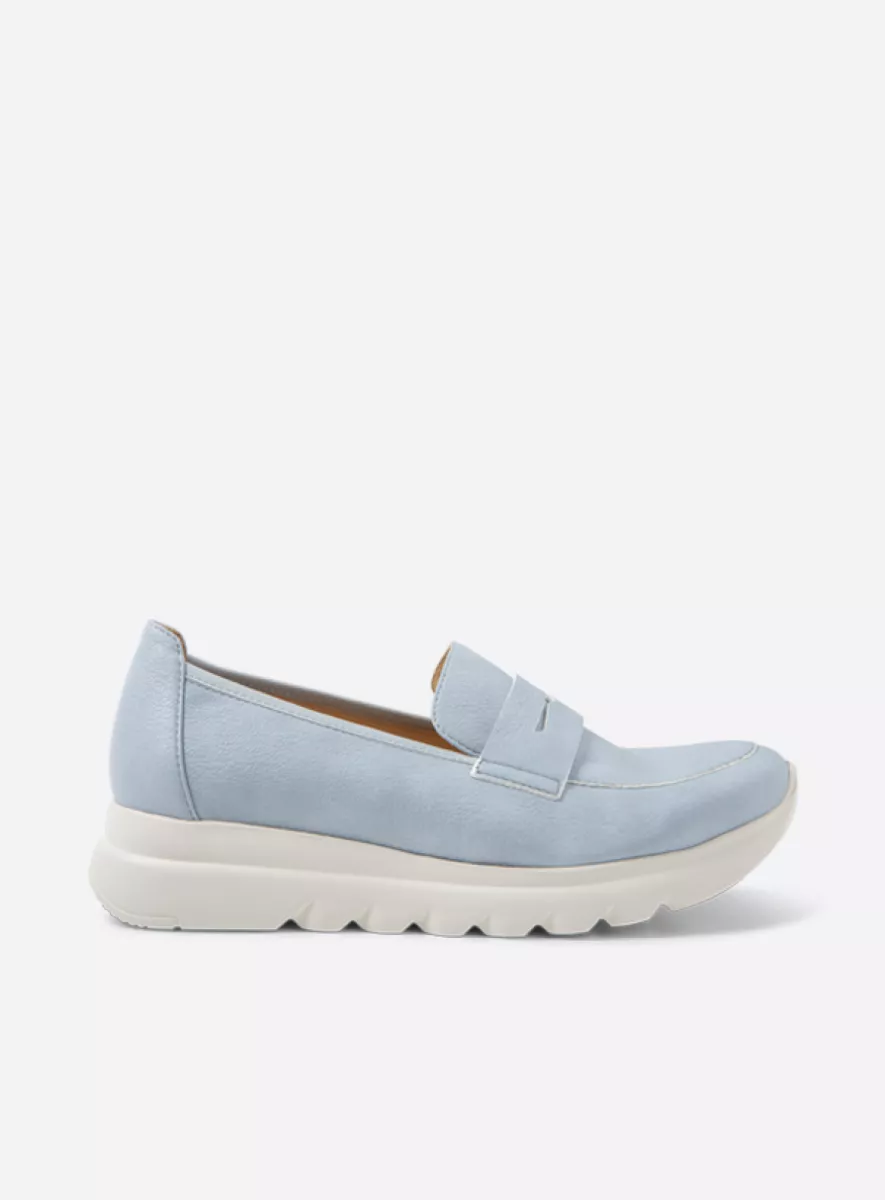
These Wolky shoes are super comfortable!

Can bunions be corrected without surgery

Bunions can’t really be corrected without surgery. However, there are some options to relief some of the pain.

Remedies for bunion pain:

  • Good shoes: Shoes with a wider toe box can help lessen bunion pain.
  • Orthotics: Orthotics may help realign your step and reduce pressure on the bunion.
  • Physiotherapy: Some stretches and exercises may help stop your bunion from getting worse.

Want to know more about treatments for bunions? Read it in our blog.

Best shoes after bunion surgery

The best shoes after bunion surgery (and once healing is complete) are those with a roomier toe box or extra space at the bunion. This means less pressure in the wrong place and more room for your toes and forefoot.

Avoid wearing high heels after bunion surgery, as they increase pressure on the forefoot. Pointy shoes are also too narrow at the front, best to steer clear of them if you can!

Find more best shoes for bunions in our blog.

Stay in the know

Need personal advice? Don't hesitate to contact our customer service team!

Comment on this blog

Only your first name will be shown in the comment. Required fields are marked *

Only your first name will be shown in the comment. Required fields are marked *

Good choice!

These shoes are of excellent quality. With proper care, they'll stay beautiful for a long time – sustainable for the planet and smart for your wallet. Our maintenance tips:

Please fill in the information below to reserve the shoes in the Wolky in . We will contact you as soon as the shoes are ready for fitting.